
Understanding Hip Replacement: What Patients in Bunbury and Busselton Should Know
By Dr Ryan du Sart - Orthopaedic Surgeon | South West WA
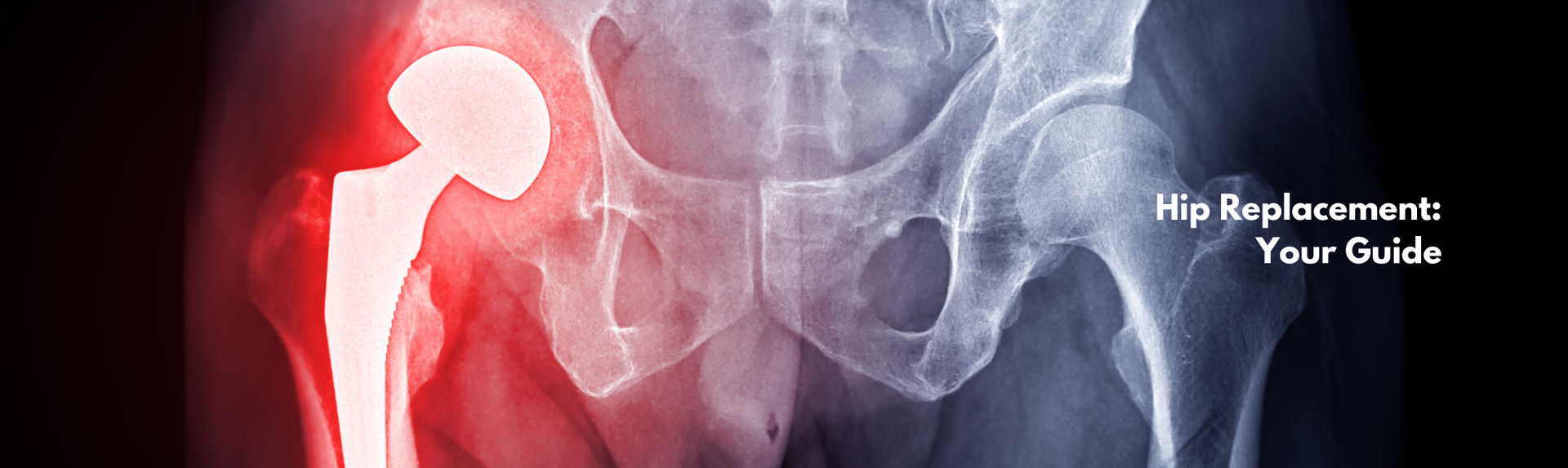
Hip pain that limits your daily life is more than an inconvenience. When walking to the letterbox, getting in and out of a car, or sleeping through the night becomes difficult, it is worth understanding what your options are. Hip replacement is one of the most commonly performed orthopaedic procedures in Australia, and for many patients, it is the point at which things genuinely begin to improve. This post explains what hip replacement involves, who it may be appropriate for, and what the process looks like from consultation through to recovery.
What is a hip replacement?
A hip replacement - also called a total hip arthroplasty - involves removing the damaged surfaces of the hip joint and replacing them with prosthetic components. The ball of the femur (thigh bone) and the socket of the pelvis are both replaced, typically with a combination of metal, ceramic, and polyethylene materials designed to replicate normal joint movement.
The procedure is most commonly performed to treat end-stage osteoarthritis of the hip, though it may also be considered for other conditions including avascular necrosis, inflammatory arthritis, or fracture. Not everyone with hip arthritis will need or benefit from surgery. The decision depends on the severity of symptoms, how much function has been lost, and whether conservative treatments have been adequately trialled.
Is hip replacement the right option for you?
Conservative management is always the starting point. Physiotherapy, weight management, activity modification, and pain relief can help manage symptoms for a significant period. When these approaches are no longer providing adequate relief and quality of life is being affected, a specialist opinion is appropriate.
At a consultation, your orthopaedic surgeon will review your history, examine your hip, and assess your imaging. The conversation will cover your symptoms, your goals, and what you can realistically expect from surgery. It is not a one-way discussion. Patients are encouraged to ask questions and take time to consider their options.
What does the procedure involve?
Hip replacement is performed under general or spinal anaesthesia and typically takes one to two hours. The surgical approach - the direction from which the hip is accessed - varies depending on the patient's anatomy and the surgeon's technique. Your surgeon will explain which approach is planned for you and why.
Most patients stay in hospital for two to four days following a hip replacement, though this varies. Mobilisation begins early - often the day of surgery - with the support of physiotherapy. A walking frame or crutches are used initially, and patients progress to walking independently as their strength and confidence builds.
What does recovery look like?
Recovery from hip replacement is gradual, and the timeline varies between individuals. Most patients are moving around the house independently within two to four weeks. Returning to driving, light activity, and low-impact exercise typically occurs over the following weeks to months, guided by surgical clearance and physiotherapy progress.
There are some restrictions in the early period following surgery - particularly around hip precautions, which your surgical team will explain in detail. These are designed to protect the joint while the soft tissues heal.
Pain is expected in the initial recovery period and is managed with a combination of medications. Most patients find that pain reduces steadily over the first few weeks. Swelling can persist for longer.
Your surgeon and nursing team are the right people to contact if something does not feel right during recovery.
If hip pain is affecting your daily life and you are wondering whether a specialist opinion is the right next step, speak with your GP. They can arrange imaging, review your history, and refer you if appropriate.
Consult Locally in Bunbury or Busselton
Dr Ryan du Sart is an experienced orthopaedic surgeon providing personalised joint care in Bunbury and Busselton, with a strong focus on patient outcomes, education, and modern surgical techniques.
📞
(08) 9779 9767
🌐 www.ryandusart.com.au
📍 Serving patients across the South West of Western Australia